Synthetic Turf Installation: Transform Your Lawn With Low-Maintenance Beauty
Synthetic turf installation offers a practical solution for homeowners who desire a beautiful yard without the burden of ongoing maintenance. This forward-thinking choice delivers a range of benefits, from water savings to minimized pest issues. Grasping the specifics of setup and care can considerably increase a home's value. Yet, many people are curious about if this expenditure delivers lasting returns. Examining the specifics can shed light on this increasingly popular option.
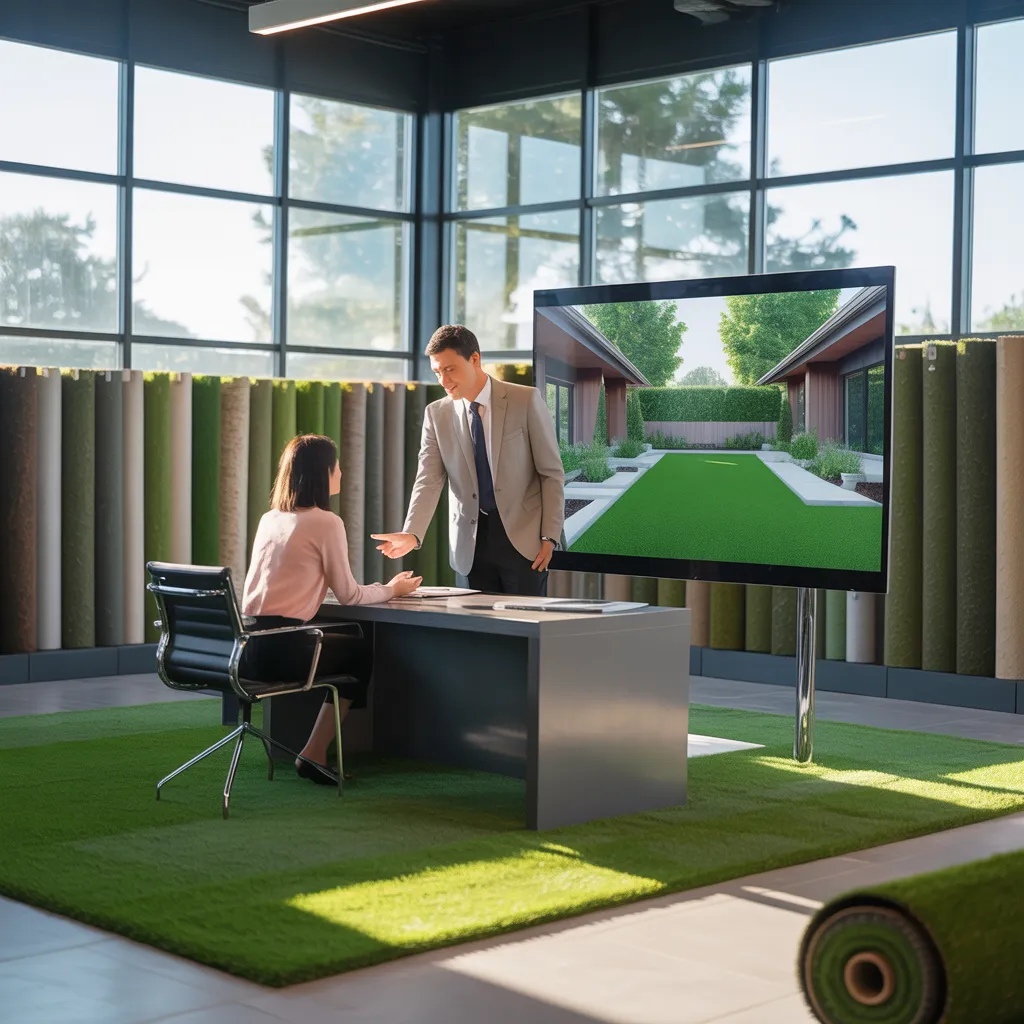
Fed Up with Lawn Upkeep? Here's Why Artificial Turf Is the Answer
Why spend countless hours on lawn upkeep when artificial grass offers a practical alternative? A great number of homeowners feel burdened by the requirements of natural grass, which includes regular mowing, watering, and fertilizing. These tasks not only consume valuable time but also contribute to rising water bills and environmental concerns. Synthetic turf offers an answer that removes the necessity for these time-consuming tasks.
With advancements in technology, modern synthetic turf mimics the appearance and texture of real grass, offering a beautiful landscape throughout the year. It endures diverse weather conditions without losing color or vitality, making it a reliable choice for any climate. Furthermore, the addition of artificial grass can elevate the overall look of homes and businesses, offering a clean, manicured look without the upkeep. As more individuals seek low-maintenance options, artificial turf proves to be an attractive solution for those looking to move beyond standard lawn care demands.
5 Key Benefits of Choosing Artificial Turf
As many homeowners search for low-maintenance landscaping alternatives, the advantages of artificial turf reach much further than basic convenience. To begin with, artificial grass maintains a lush appearance year-round, eliminating the seasonal browning common with natural lawns. Additionally, it considerably reduces water consumption, making it a green alternative, especially in areas frequently affected by drought. In addition, artificial turf is impervious to pests and weeds, reducing the reliance on damaging pesticides and herbicides. What is more, it provides long-lasting strength, enduring high foot traffic without the damage typically found with natural grass. To conclude, the installation of artificial turf may boost property value, offering a neat, appealing aesthetic that attracts prospective buyers. Collectively, these advantages establish artificial turf as a sensible and attractive option for homeowners looking to elevate their outdoor spaces.
Select the Right Type of Artificial Grass
Selecting the right type of artificial grass requires multiple key considerations that can significantly affect its performance and appearance. Considerations such as durability against weather conditions, pile height, and color are crucial in arriving at a well-informed selection. Each factor supports the general functionality and aesthetic of the application, guaranteeing it aligns with specific requirements and tastes.
Grass Heap Height Considerations
When choosing artificial grass, one essential factor to take into account is the pile height, which can greatly impact both visual appeal and practicality. Pile height generally spans 1 inch to 2.5 inches, and the right choice depends on application and personal taste. Taller piles often create a full, lifelike aesthetic but may require more maintenance to stand upright. In contrast, shorter piles provide a sturdier foundation, ideal for high-traffic areas such as sports fields or playgrounds. Moreover, environmental factors, such as geographic climate and light intensity, can impact the effectiveness of different pile heights. In the end, choosing the right pile height confirms that the artificial grass satisfies both visual expectations and functional requirements for any given space.
Pick The Right Color
How does selecting the right color boost the overall attractiveness of artificial grass? Picking a suitable color for artificial grass is key to accomplishing a natural aesthetic and enhancing the surrounding landscape. A wide range of tones, from bold greens to soft earth tones, gives homeowners the freedom to adjust their choice based on individual preference and surrounding conditions. For instance, lighter greens can create a fresh, summery vibe, while darker hues may evoke a more mature, lush appearance. Moreover, the correct color choice can aid in controlling how sunlight is reflected, which can shape the overall mood of the outdoor environment. Ultimately, choosing the right color not only enhances the aesthetic appeal but also guarantees that the artificial grass integrates seamlessly into its environment.
Strength And Weather Protection
Durability and weather resistance are critical aspects to evaluate in choosing the right type of artificial grass, as they directly impact its lifespan and functionality. Premium artificial grass is engineered to endure various weather conditions, including strong UV rays, heavy precipitation, and sub-zero temperatures. When selecting artificial grass, one should consider materials such as polyethylene or polypropylene, known for their resilience should be prioritized. UV resistance is equally significant, as it guards against discoloration and deterioration caused by sun exposure. Additionally, a robust backing system enhances stability and prevents wear over time. Ultimately, investing in durable, weather-resistant artificial grass guarantees a beautiful, functional lawn that requires minimal maintenance while enduring the elements effectively.
How to Get Your Yard Ready for Artificial Grass Installation
Setting up a yard for synthetic turf installation requires multiple key steps. Initially, it is vital to clear out any existing plants to establish a fresh foundation. Following that, leveling the ground delivers a balanced and even ground for the synthetic surface.
Clear Out Existing Vegetation
To guarantee a effective artificial grass installation, removing existing vegetation is an essential first step. This procedure involves clearing all grass, weeds, and other plants from the designated area. Effective removal guarantees that no organic matter interferes with the installation, preventing future growth that could disrupt the artificial grass. It is advisable to use tools such as a shovel, sod cutter, or garden fork to remove the vegetation completely. After clearing, the area should be inspected to verify no remnants remain, as these can lead to drainage issues and uneven surfaces. Appropriate disposal of the cleared vegetation is equally important, ensuring a clean and ready site for the upcoming installation of artificial grass.
Flatten The Ground
Following the removal of the existing vegetation, the next step involves grading the ground to create a stable foundation for the artificial grass. This process begins by evaluating the area for any depressions or irregular surfaces. With the help of a rake or shovel, the homeowner should move soil around to achieve a smooth, flat surface. It's essential to compact the soil to minimize future ground movement, which can lead to irregular areas in the artificial grass. A plate compactor can be used for this purpose. Moreover, a gentle grade should be established to guarantee proper drainage away from structures. This precise leveling not only enhances the aesthetic appeal but also see the facts increases the longevity of the artificial grass by preventing water accumulation and encouraging adequate drainage.
Step-by-Step Guide to Installing Artificial Grass
Laying down artificial turf can change any outdoor area into a lush, green oasis with hardly any maintenance required. The initial step requires gauging the dimensions of the area to calculate how much turf is required. Following that, the current grass and waste materials must be eliminated, followed by leveling the ground to secure effective drainage. A bottom layer of gravel or crushed granite should then be spread and compacted to provide a stable foundation.
Afterward, a landscape fabric is set down to inhibit weed growth beneath the artificial turf. The synthetic turf is then rolled out, guaranteeing it fills the area without overlapping. Perimeter edges are secured with adhesive or landscape staples, and joints are sealed using tape and adhesive for a flawless finish. Finally, infill material is spread to support the grass blades in an upright position, elevating the overall look and comfort. This step-by-step method ensures a successful and aesthetically pleasing installation.
Maintenance Tips for Your New Artificial Lawn
Synthetic turf requires ongoing care to keep them looking great and lasting longer. Routine brushing is necessary; employing a stiff-bristle broom assists in raising the fibers and stopping matting. Waste materials like leaves and branches should be cleared away quickly to prevent fading and mold development. When dealing with spills or stains, a gentle soap mixture may be used, then rinsed with water to avoid residue accumulation.
Regular rinsing with a hose effectively removes pet odors and dust, ensuring a fresh look and scent. During heavy use, the infill may need to be topped up to maintain stability and cushioning. Additionally, checking for signs of damage, including tears or loose seams, enables prompt repairs, preserving the lawn's integrity.
Additionally, keeping sharp objects and high-heat sources away can help avoid unnecessary damage. By adhering to these care guidelines, homeowners can maintain a lush, easy-care lawn for many years ahead.
Is Synthetic Turf Worth the Price?
What factors help determine if artificial grass is truly a worthwhile investment? Assessing the cost-benefit ratio is a critical first step. On the surface, artificial grass may seem like a significant expense, with upfront installation costs typically higher than natural grass. However, its long-term advantages can offset the initial outlay.
Artificial turf necessitates very little care, doing away with expenditures tied to watering, mowing, and applying fertilizer. This decrease in maintenance costs can result in significant savings over time. Additionally, the long-lasting nature of artificial grass means it can remain functional for 15 years or more, providing value through longevity.
Ecological considerations are also a significant factor reduced water usage is a compelling factor in drought-prone areas.
In the end, the decision comes down to individual circumstances, including cost constraints, local climate, and personal preferences. Weighing these factors can assist homeowners in determining whether artificial grass is a sound financial decision for their individual requirements.
Common Questions and Answers
Is Artificial Grass Safe for Pets?
Artificial grass is safe for pets to use, as it is free of harmful chemicals and typically built to handle heavy use. Effective drainage and consistent cleaning maintain sanitation, making it a smart solution for pet owners in search of hassle-free maintenance.
How Long Does Artificial Grass Last?
Artificial turf generally has a lifespan of anywhere from 15 to 25 years, subject to factors like installation quality, frequency of use, and surrounding conditions. Regular maintenance can further extend its lifespan, making it a lasting and visually pleasing solution for outdoor environments.
Is Artificial Grass Good for the Environment?
Artificial grass is often considered somewhat detrimental to the environment because of its fossil fuel-based composition and likely environmental concerns during production and disposal. However, it reduces water consumption and decreases reliance on chemical treatments, contributing positively to specific environmental factors.
Is Synthetic Turf Able to Be Recycled?
Indeed, artificial grass can be recycled, though the method varies by maker. Several manufacturers have recycling initiatives, allowing homeowners to send back worn turf for reclamation, consequently decreasing environmental waste and encouraging environmental sustainability.
What Takes Place During Harsh Weather Conditions?
During extreme weather events, artificial turf might suffer from temperature fluctuations, likely color degradation, or warping. Heavy rainfall may result in poor water runoff, while intense heat might cause the turf surface to feel excessively warm for users.